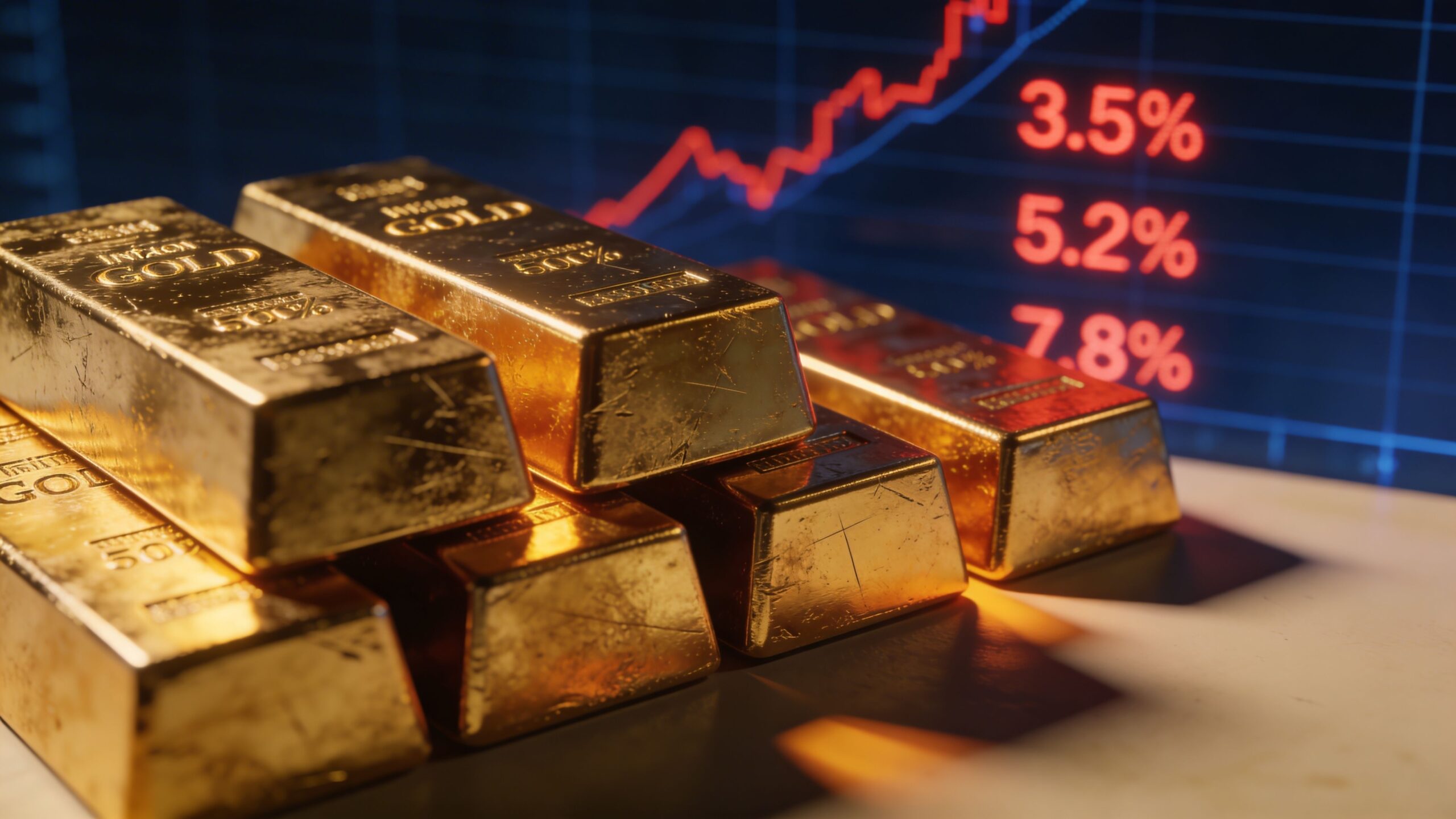
Commodities have shaped economies, fueled industries, and influenced global power dynamics for centuries. From oil and gold to wheat and copper, these raw materials form the backbone of everyday life. Yet for many beginners, commodities investing feels distant or complex compared to stocks or real estate. The truth is, commodities offer a powerful and often overlooked pathway to diversification, inflation protection, and long-term financial growth. At its core, investing in commodities means gaining exposure to the physical goods that drive the global economy. Unlike traditional assets tied to company performance or debt obligations, commodities are influenced by supply, demand, geopolitics, and environmental conditions. This makes them uniquely positioned to perform differently from stocks and bonds, offering balance in times of market volatility.
A: Many beginners start with diversified commodity ETFs or commodity-related funds because they are simpler than trading futures directly.
A: They can be, especially in the short term, because commodity prices often react sharply to global events and supply disruptions.
A: No, many investors use ETFs, mutual funds, mining stocks, energy stocks, or physical metals instead.
A: They can be helpful during inflationary periods because rising raw-material prices may support returns in some commodity markets.
A: Hard commodities are natural resources like oil and metals, while soft commodities are agricultural goods like wheat, coffee, and sugar.
A: Yes, futures structure, roll costs, and fund design can affect returns differently from the spot price.
A: For most beginners, commodities are usually a supporting allocation rather than the foundation of the portfolio.
A: No, those stocks are businesses and can rise or fall for reasons beyond the underlying commodity price.
A: There is no one best choice; the right starting point depends on whether the goal is diversification, inflation protection, or targeted exposure.
A: Treating all commodities the same and taking on too much risk without understanding how each market actually works.
Understanding the Building Blocks of Commodities
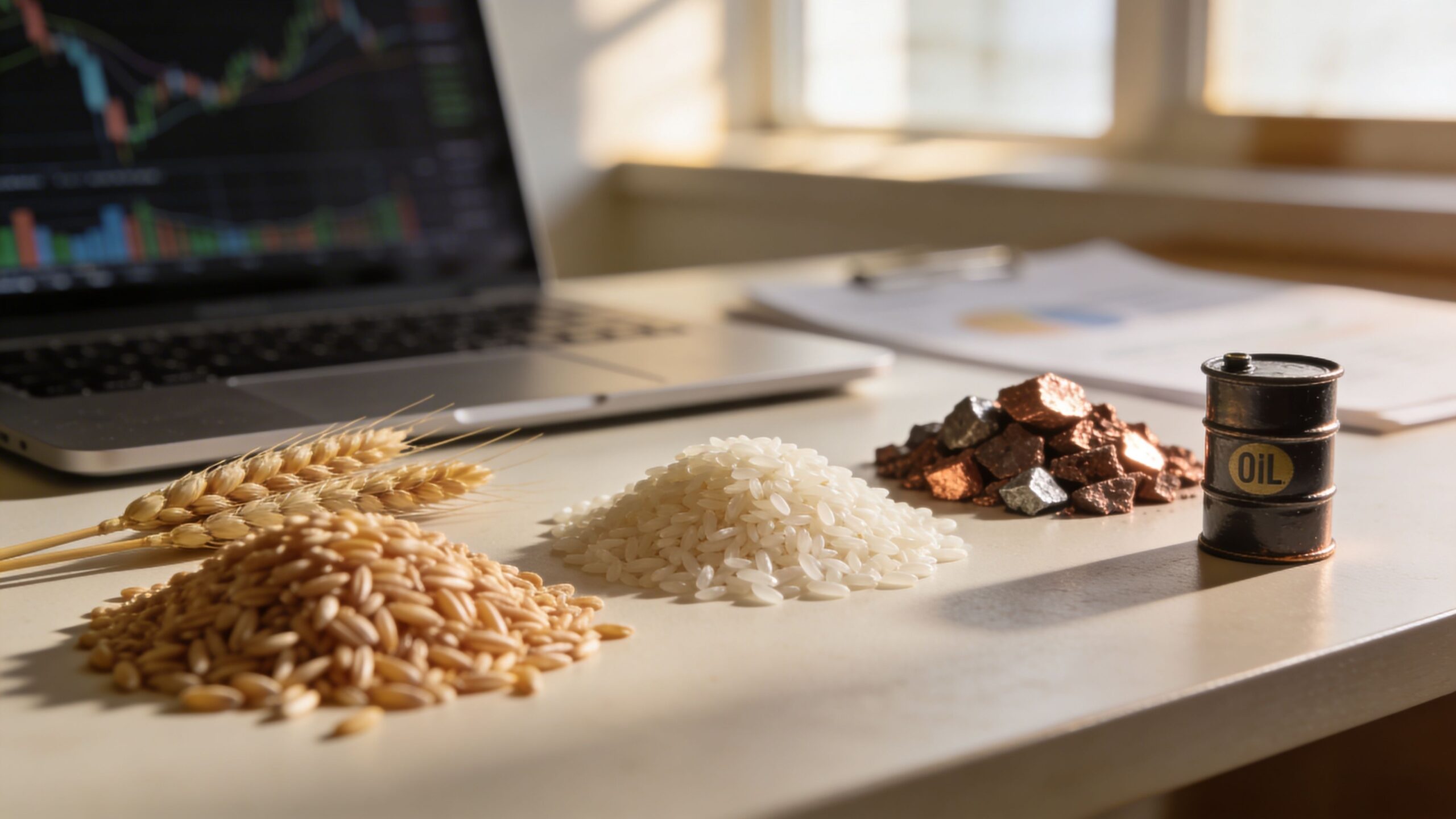
Before diving into strategy, it is essential to understand the categories that define the commodities market. Commodities are typically divided into four main groups: energy, metals, agriculture, and livestock. Each category behaves differently and responds to unique economic forces.
Energy commodities include oil, natural gas, and gasoline, all of which are heavily influenced by geopolitical events, production levels, and global demand. Metals are split into precious metals like gold and silver, which are often used as stores of value, and industrial metals like copper and aluminum, which are tied closely to economic growth and infrastructure development.
Agricultural commodities such as corn, wheat, and soybeans are driven by weather patterns, seasonal cycles, and global consumption trends. Livestock commodities, including cattle and hogs, are influenced by feed costs, consumer demand, and supply chain dynamics.
Understanding these categories allows investors to recognize that commodities are not a single asset class but a diverse ecosystem. Each segment offers different opportunities and risks, making it important to approach them with a clear perspective on how they fit into broader market conditions.
Why Commodities Deserve a Place in Your Portfolio
One of the most compelling reasons to invest in commodities is their ability to diversify a portfolio. Traditional assets like stocks and bonds often move in response to similar economic factors, such as interest rates and corporate earnings. Commodities, however, are influenced by a different set of variables, which can help reduce overall portfolio risk.
Commodities are also widely regarded as a hedge against inflation. When prices rise across the economy, the cost of raw materials typically increases as well. This means that commodities can retain or even grow in value during periods when purchasing power declines.
Another advantage is their connection to global growth. As economies expand, demand for energy, metals, and agricultural products tends to rise. This creates opportunities for investors to benefit from large-scale trends such as urbanization, technological advancement, and population growth.
For beginners, incorporating commodities into an investment strategy can provide both protection and opportunity. By balancing exposure across different asset classes, investors can build a more resilient portfolio capable of weathering changing market conditions.
Exploring the Different Ways to Invest in Commodities
Investing in commodities does not require storing barrels of oil or stacks of grain. Modern financial markets offer several accessible ways to gain exposure, each with its own characteristics and considerations.
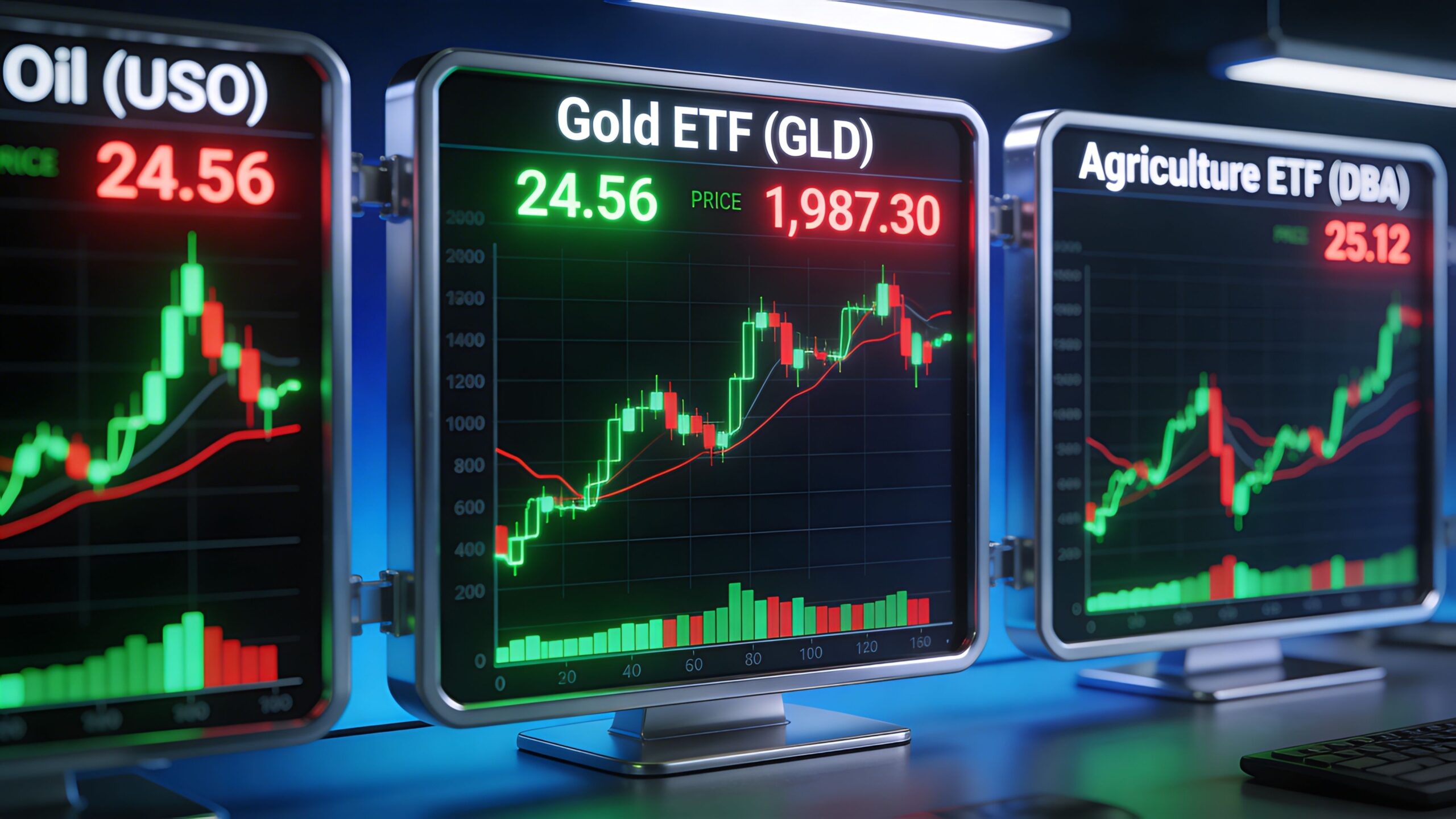
One of the most common methods is through exchange-traded funds. These funds track the price of specific commodities or baskets of commodities, allowing investors to buy and sell them like stocks. They provide convenience, liquidity, and diversification, making them an attractive option for beginners.
Futures contracts represent another avenue, though they are more complex. These agreements involve buying or selling a commodity at a predetermined price in the future. While futures can offer significant returns, they also carry higher risk and require a deeper understanding of market dynamics.
Investors can also gain exposure through commodity-related stocks, such as energy companies, mining firms, or agricultural producers. These investments combine commodity price exposure with company performance, creating a hybrid opportunity that can be both rewarding and unpredictable.
Each approach offers a different level of involvement, risk, and potential return. Choosing the right method depends on your experience, financial goals, and comfort with market complexity.
Crafting a Beginner-Friendly Commodity Strategy
Building a successful commodities strategy begins with clarity and discipline. For beginners, the goal should not be to chase short-term gains but to establish a thoughtful and sustainable approach that aligns with long-term objectives.
A common starting point is to allocate a modest portion of your portfolio to commodities. This allows you to benefit from diversification without taking on excessive risk. Over time, as you gain experience and confidence, you can adjust your exposure based on market conditions and personal goals.
It is also important to focus on balance. Rather than concentrating on a single commodity, consider spreading your investments across different categories. This reduces the impact of volatility in any one area and creates a more stable overall position.
Consistency plays a key role as well. Investing regularly, rather than attempting to time the market, can help smooth out price fluctuations and build a stronger foundation over time. By maintaining a disciplined approach, you can navigate the complexities of commodities investing with greater confidence and control.
Navigating Risks and Market Volatility
While commodities offer unique advantages, they are not without risks. In fact, their sensitivity to external factors can lead to significant price swings, making it essential for investors to understand and manage volatility effectively.
One of the primary risks is market unpredictability. Commodities are influenced by a wide range of variables, including weather events, geopolitical tensions, and changes in supply and demand. These factors can cause rapid and sometimes unexpected price movements.
Another challenge is the complexity of certain investment vehicles, particularly futures contracts. Without a solid understanding of how these instruments work, investors may expose themselves to unnecessary risk. For beginners, it is often advisable to start with simpler options such as ETFs before exploring more advanced strategies.
There is also the risk of overexposure. Because commodities can be volatile, allocating too large a portion of your portfolio to them can increase overall risk. Maintaining a balanced approach and regularly reviewing your investments can help mitigate this concern.
By acknowledging these risks and approaching them with a thoughtful strategy, investors can turn potential challenges into manageable aspects of a well-structured portfolio.
Reading the Signals That Drive Commodity Markets
To invest effectively in commodities, it is important to understand the signals that influence their prices. Unlike traditional assets, commodities respond directly to real-world events, making them highly sensitive to global developments.
Supply and demand are the most fundamental drivers. When supply is constrained or demand increases, prices tend to rise. Conversely, oversupply or reduced demand can lead to price declines. Monitoring these dynamics provides valuable insight into market trends.
Geopolitical events also play a significant role, particularly in energy markets. Conflicts, trade policies, and regulatory changes can disrupt supply chains and impact prices on a global scale.
Economic indicators, such as growth rates and industrial activity, influence demand for commodities like metals and energy. Meanwhile, weather patterns and environmental conditions can have a profound effect on agricultural production.
By staying informed and understanding how these factors interact, investors can make more informed decisions and better anticipate market movements.
Building Long-Term Wealth Through Real Assets
Commodities investing is not about quick wins or speculative bets. It is about participating in the fundamental forces that drive the global economy. For beginners, this perspective can transform commodities from a complex concept into a powerful tool for long-term wealth building. Real assets like commodities offer a tangible connection to the world’s economic engine. They provide diversification, protection against inflation, and exposure to global growth trends. When integrated thoughtfully into a broader investment strategy, they can enhance both stability and performance. The journey begins with education, continues with disciplined execution, and evolves with experience. By approaching commodities with patience and a clear strategy, investors can unlock opportunities that extend far beyond traditional markets. In a world of constant change, commodities remain rooted in necessity and demand. For those willing to learn and adapt, they offer a pathway to building a resilient and forward-looking portfolio that stands the test of time.