Gold has captivated investors for centuries, symbolizing stability, wealth, and protection against uncertainty. Yet in today’s fast-moving, digitally driven financial world, the idea of storing physical gold bars or coins can feel outdated, inconvenient, and even risky. Modern investors are increasingly turning toward smarter, more flexible ways to gain exposure to gold without ever touching a single ounce. This shift is not just about convenience. It reflects a deeper evolution in how wealth is managed, diversified, and protected. From exchange-traded funds to gold-backed financial instruments, investors now have access to a wide range of options that provide the benefits of gold without the burdens of physical ownership. Understanding these options is essential for anyone looking to incorporate gold into their portfolio in a strategic and efficient way.
A: Gold ETFs are usually the easiest option because they trade like regular stocks.
A: No, mining stocks are businesses, so they also depend on management, costs, debt, and operations.
A: It is a fund designed to track gold prices or related assets through the stock market.
A: They can be less operationally risky because they earn from mine production rather than running mines themselves.
A: Some mining and royalty companies may, but gold itself and many gold ETFs usually do not.
A: Usually no, because futures involve leverage, margin, and contract mechanics that add risk.
A: It can be easier to trade, store, track, and integrate into a normal investment account.
A: Yes, many investors use eligible ETFs or mining funds inside retirement accounts.
A: You may face fund fees, company-specific risks, or less direct ownership than physical bullion.
A: For simplicity and liquidity, many investors start with a low-cost gold ETF.
Why Investors Are Moving Beyond Physical Gold
Owning physical gold comes with a unique set of challenges. Storage, insurance, and security concerns can quickly turn a seemingly simple investment into a logistical headache. There is also the issue of liquidity. Selling physical gold often involves dealers, markups, and delays, which can reduce overall returns.
Beyond practicality, modern portfolios demand flexibility. Investors want assets that can be easily bought, sold, and rebalanced. They seek transparency, lower costs, and seamless integration with digital platforms. Non-physical gold investments meet these needs while still offering exposure to the underlying value of gold.
Another important factor is accessibility. Historically, gold investing required significant capital. Today, financial innovation has opened the door for investors at all levels, allowing them to participate in gold markets with relatively small amounts of money. This democratization of gold investing is reshaping how individuals approach wealth preservation.
Gold ETFs: The Simplest Path to Instant Exposure
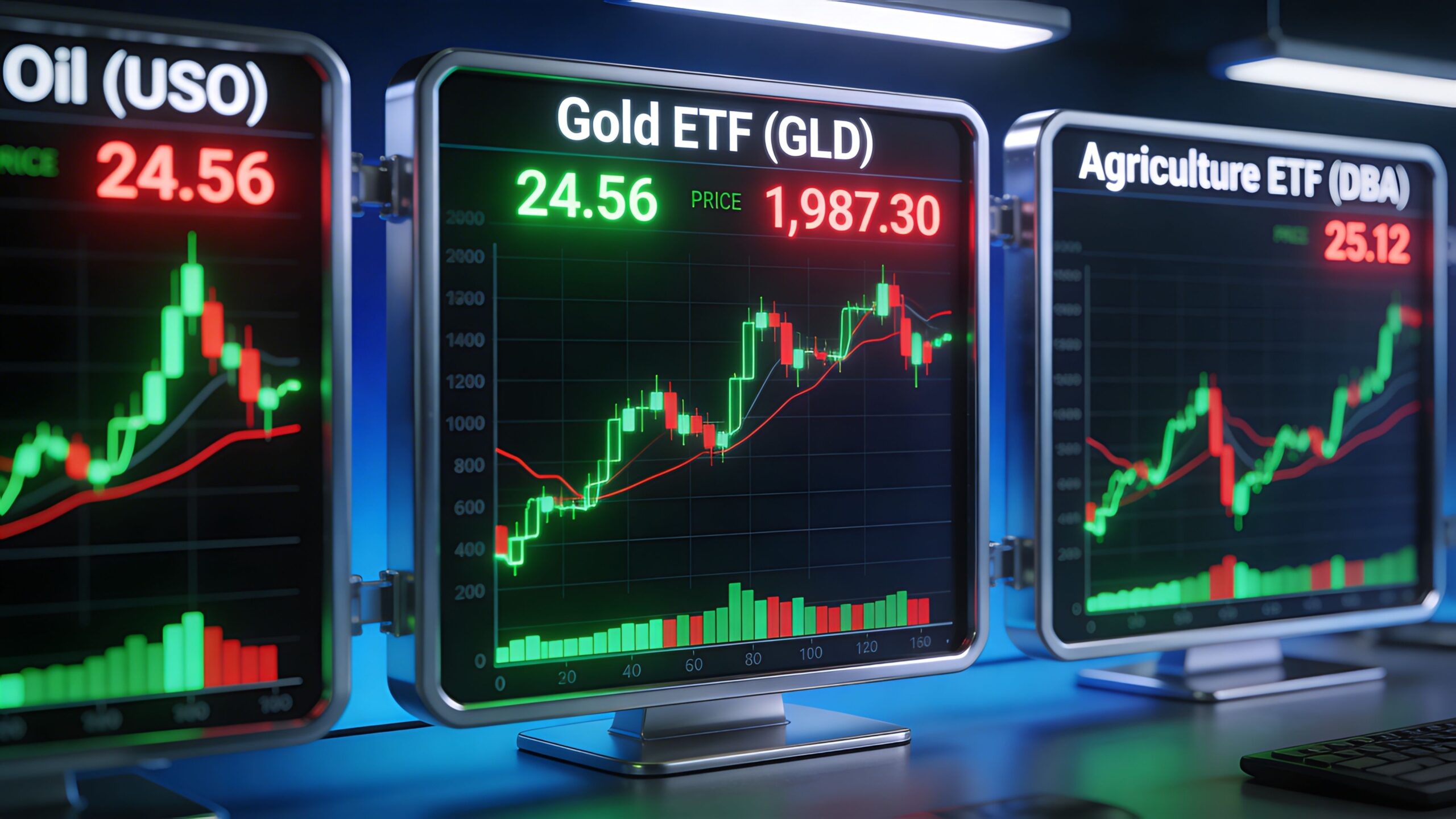
Exchange-traded funds have become one of the most popular ways to invest in gold without owning it physically. Gold ETFs are designed to track the price of gold, offering investors a direct and efficient way to gain exposure through the stock market.
These funds are traded like regular stocks, making them highly liquid and easy to access. Investors can buy and sell shares throughout the trading day, just as they would with any equity. This level of flexibility is a major advantage over physical gold, which often requires more time and effort to transact.
Gold ETFs also eliminate many of the costs associated with physical ownership. There is no need for storage or insurance, and management fees are typically low compared to other investment vehicles. This makes them an attractive option for both beginners and experienced investors.
Another key benefit is transparency. Most gold ETFs are backed by physical gold stored in secure vaults, and their holdings are regularly audited. This provides investors with confidence that their investment is closely tied to the actual price of gold.
Gold Mining Stocks: Leveraging Growth Beyond the Metal
Investing in gold mining companies offers a different kind of exposure to gold. Instead of tracking the price of the metal directly, these stocks represent ownership in companies that extract and produce gold.
The appeal of gold mining stocks lies in their potential for amplified returns. When gold prices rise, mining companies often experience increased profitability, which can lead to higher stock prices. This creates an opportunity for investors to benefit not only from the price of gold but also from the operational success of the company.
However, this approach comes with additional risks. Mining companies are subject to factors such as management decisions, production costs, and geopolitical issues. These variables can impact performance independently of gold prices, making mining stocks more volatile than other gold investments.
Despite these risks, gold mining stocks can play a valuable role in a diversified portfolio. They offer the potential for growth and income through dividends, providing a dynamic complement to more stable gold investments.
Gold Mutual Funds: Professional Management Meets Precious Metals
For investors who prefer a hands-off approach, gold mutual funds offer a compelling solution. These funds pool money from multiple investors to invest in a diversified portfolio of gold-related assets, including mining stocks and gold-backed securities.
One of the main advantages of gold mutual funds is professional management. Fund managers analyze market trends, select investments, and adjust the portfolio to optimize performance. This expertise can be particularly valuable in the complex and often unpredictable gold market.
Gold mutual funds also provide diversification within the gold sector. By investing in a range of companies and assets, they reduce the impact of any single investment’s performance. This can help mitigate risk while still capturing the overall benefits of gold exposure.
While mutual funds may have higher fees than ETFs, many investors find the added value of active management to be worth the cost. For those seeking a balanced and guided approach to gold investing, mutual funds are a strong option.
Gold Futures and Options: Advanced Strategies for Active Investors
For more experienced investors, gold futures and options offer a way to engage with the gold market at a deeper level. These financial instruments allow investors to speculate on the future price of gold, providing opportunities for both profit and risk management.
Gold futures contracts involve an agreement to buy or sell gold at a predetermined price on a specific date. This allows investors to take positions based on their expectations of where gold prices are headed. Options, on the other hand, provide the right but not the obligation to buy or sell gold, offering greater flexibility.
These strategies can be highly effective but require a strong understanding of market dynamics. Leverage, which is often used in futures trading, can amplify both gains and losses. As a result, these instruments are best suited for investors with experience and a high tolerance for risk.
Despite their complexity, futures and options play an important role in the gold market. They provide liquidity, enable hedging, and contribute to price discovery, making them a valuable tool for sophisticated investors.
Digital Gold and Gold-Backed Platforms: The Future of Precious Metals
The rise of financial technology has introduced a new way to invest in gold: digital gold. These platforms allow investors to purchase fractional ownership of gold, which is stored securely by the provider.
Digital gold combines the stability of physical gold with the convenience of digital access. Investors can buy, sell, and track their holdings through online platforms, often with minimal fees and low entry requirements. This makes it an appealing option for younger investors and those new to the market.
Some platforms also offer gold-backed tokens or accounts, providing additional flexibility. These innovations are transforming how gold is bought and held, bridging the gap between traditional assets and modern financial systems.
While digital gold offers many advantages, it is important to choose reputable providers. Transparency, security, and regulatory compliance should be key considerations when selecting a platform. With the right approach, digital gold can be a powerful addition to a modern investment strategy.
Portfolio Strategy: Blending Gold Into a Diversified Investment Plan
Investing in gold without physical bullion is not just about choosing a single method; it is about integrating gold into a broader portfolio strategy. Each investment option offers unique benefits, and combining them can enhance overall performance.
For example, an investor might use gold ETFs for stability, mining stocks for growth, and digital gold for flexibility. This layered approach allows for a more balanced exposure to gold, reducing risk while maximizing potential returns.
Timing and allocation are also critical. During periods of economic uncertainty or rising inflation, increasing exposure to gold can provide protection. Conversely, in strong economic conditions, reducing gold holdings in favor of growth assets may be more appropriate.
The key is to remain adaptable. Markets are constantly changing, and successful investors are those who adjust their strategies accordingly. By understanding the different ways to invest in gold, it becomes easier to make informed decisions that align with long-term goals.
The Golden Path Forward in a Digital Investment Era
Gold remains one of the most enduring assets in the world, but the way investors access it has evolved dramatically. No longer limited to physical bars and coins, today’s investors have a wide array of options that offer convenience, flexibility, and efficiency. From ETFs and mutual funds to digital platforms and advanced trading instruments, the modern gold market is more accessible than ever. Each method provides a unique pathway to harness the power of gold, allowing investors to tailor their approach based on their needs and preferences. As financial markets continue to innovate, the role of gold is unlikely to diminish. Instead, it will adapt, integrating seamlessly into the digital portfolios of the future. For those willing to explore these new avenues, the opportunities are both exciting and abundant, offering a smarter way to invest in one of history’s most trusted assets.