In a world shaped by inflation, geopolitical shifts, and evolving global demand, commodities have reemerged as a powerful force in long-term investing. Once considered a niche asset class reserved for institutional players and experienced traders, commodities are now more accessible than ever through exchange-traded funds. These ETFs offer a streamlined, cost-effective way to tap into raw materials that drive the global economy, from energy and metals to agriculture. For investors seeking diversification and resilience, commodity ETFs present a compelling opportunity. They provide exposure to assets that often move independently of traditional stocks and bonds, helping to balance portfolios during periods of volatility. As global supply chains evolve and demand for resources continues to grow, commodity ETFs are gaining attention as strategic tools for long-term wealth building.
A: It is a fund that gives investors exposure to commodities such as metals, energy, or agriculture through the stock market.
A: They can be, especially when backed by strong demand trends, supply constraints, or inflationary environments.
A: Usually yes, because it spreads risk across multiple markets instead of depending on one commodity.
A: Commodity prices respond quickly to economic growth, supply disruptions, weather, interest rates, and geopolitics.
A: Gold-focused and broad commodity ETFs are often used for that purpose.
A: It depends on your thesis, since metals may benefit from infrastructure and electrification while energy may benefit from supply-demand tightness.
A: Some producer-stock ETFs may, but many pure commodity funds do not provide meaningful income.
A: Rolling futures contracts can reduce returns over time if market structure is unfavorable.
A: Yes, they often respond to different macroeconomic forces than traditional equities.
A: Many investors use them as a satellite allocation for diversification, inflation protection, and exposure to long-term resource trends.
Why Commodity ETFs Are Gaining Momentum
The renewed interest in commodities is not случайность. It reflects a broader shift in how investors think about risk and opportunity. Traditional portfolios, heavily weighted toward equities and fixed income, have faced challenges in environments marked by rising inflation and interest rate uncertainty. Commodities, by contrast, often benefit from these conditions.
Commodity ETFs make it easier to access this asset class without the complexities of futures trading or physical ownership. They track the performance of specific commodities or baskets of resources, allowing investors to participate in price movements with minimal friction. This accessibility has opened the door for a new generation of investors to incorporate commodities into their strategies.
Another driving factor is global demand. As emerging markets expand and technologies such as renewable energy accelerate, the need for raw materials continues to increase. This creates long-term tailwinds for commodity prices, making ETFs that track these assets particularly attractive for forward-looking investors.
Broad-Based Commodity ETFs: Capturing the Entire Market
For those seeking comprehensive exposure, broad-based commodity ETFs offer a diversified approach. These funds track indices that include a mix of energy, metals, and agricultural products, providing a balanced representation of the commodity market.
The advantage of this approach lies in its ability to smooth out volatility. While individual commodities can experience sharp price swings, a diversified basket helps mitigate risk by spreading exposure across multiple sectors. This makes broad-based ETFs an ideal starting point for investors new to commodities.
These funds also benefit from global economic trends. When industrial activity increases, demand for metals and energy rises. When populations grow, agricultural commodities become more valuable. By capturing these dynamics in a single investment, broad-based ETFs provide a powerful tool for long-term growth.
Energy-Focused ETFs: Fueling Growth Through Global Demand
Energy remains one of the most influential sectors within the commodity space. Oil, natural gas, and refined products are essential to modern life, powering transportation, manufacturing, and infrastructure. As a result, energy-focused ETFs often play a central role in commodity investing.
These ETFs track the performance of energy commodities or companies involved in their production and distribution. They can benefit from rising energy prices, which are often driven by geopolitical tensions, supply constraints, and increasing global consumption.
However, energy markets are also highly cyclical. Prices can fluctuate based on factors such as OPEC decisions, technological advancements, and shifts toward renewable energy. For long-term investors, this volatility presents both challenges and opportunities. By maintaining a strategic allocation to energy ETFs, it is possible to capture growth while navigating the sector’s inherent unpredictability.
Precious Metals ETFs: Stability Meets Opportunity
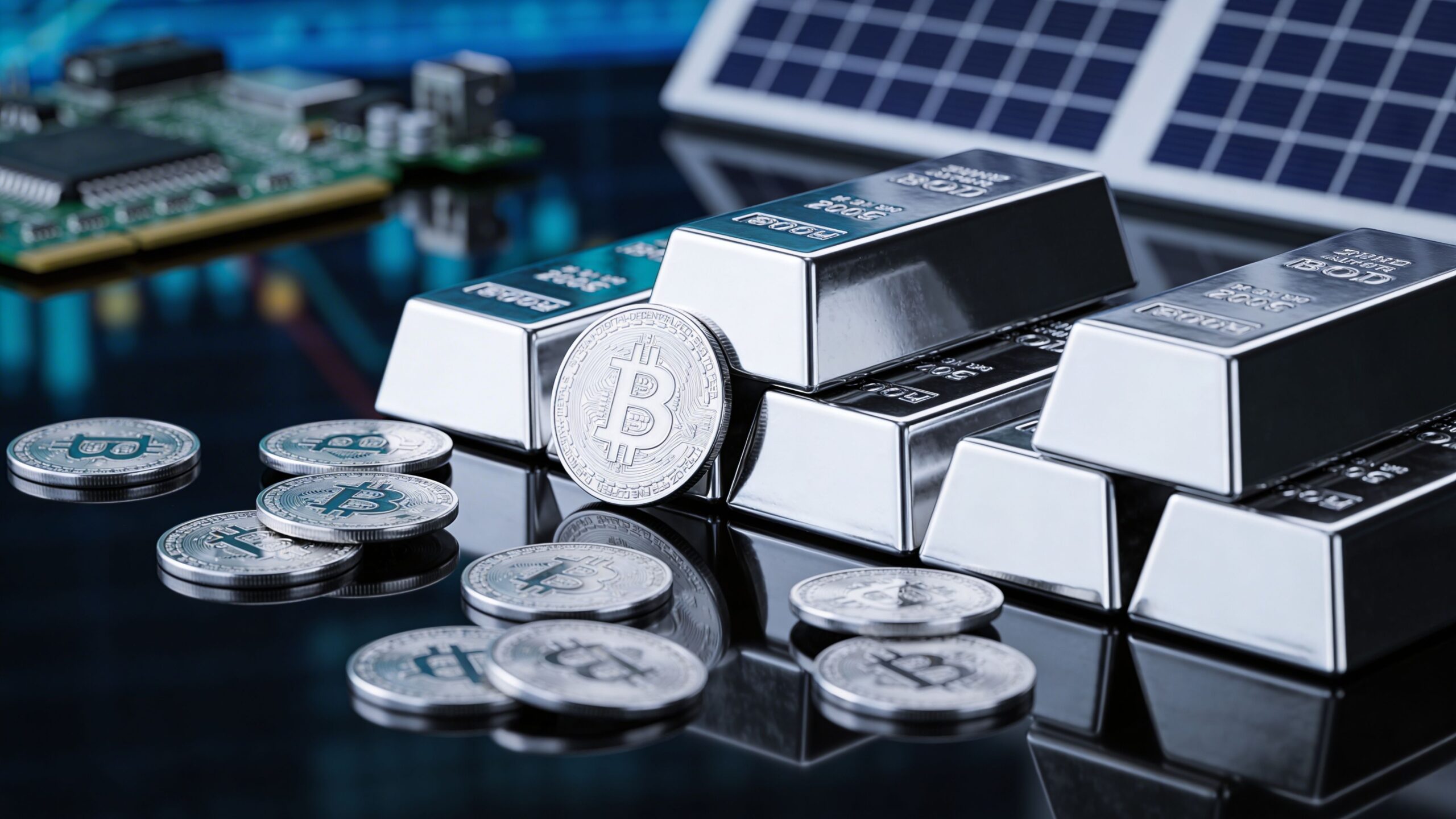
Precious metals have long been associated with wealth preservation, and ETFs have made it easier than ever to invest in them. Gold and silver ETFs, in particular, are popular choices for investors seeking stability and protection against inflation.
These funds typically track the price of the underlying metal, offering a direct way to gain exposure without the need for physical storage. In times of economic uncertainty, precious metals often attract increased demand, supporting their value.
At the same time, they can also benefit from broader market trends. For example, silver’s industrial applications in electronics and renewable energy add a growth component that complements its role as a precious metal. This dual nature makes precious metals ETFs a versatile addition to a diversified portfolio.
Agricultural Commodity ETFs: Investing in Global Demand
Agriculture is one of the most fundamental sectors in the global economy. From grains and livestock to soft commodities like coffee and sugar, agricultural products are essential to human الحياة. ETFs that track these commodities provide a unique opportunity to invest in the forces that sustain populations worldwide.
Agricultural commodity ETFs are influenced by a wide range of factors, including weather patterns, geopolitical events, and changes in consumer behavior. As global populations grow and dietary preferences evolve, demand for food and agricultural products continues to rise.
This creates a long-term growth narrative that is difficult to ignore. While agricultural markets can be volatile in the short term, their underlying importance ensures that they remain a critical component of the commodity landscape. For investors, these ETFs offer exposure to a sector that is both essential and dynamic.
Strategic Considerations for Long-Term Investors
Investing in commodity ETFs requires a thoughtful approach. While these funds offer significant benefits, they also come with unique risks. Understanding these risks is key to building a successful long-term strategy.
One important consideration is the structure of the ETF. Some funds track physical commodities, while others use futures contracts. Futures-based ETFs can be affected by factors such as contango and backwardation, which can impact returns over time. Being aware of these dynamics helps investors make more informed decisions.
Another factor is timing. Commodities often move in cycles, influenced by economic conditions and supply-demand imbalances. Rather than trying to predict short-term movements, long-term investors may benefit from a consistent, disciplined approach. Regular contributions and periodic rebalancing can help smooth out volatility and capture long-term trends.
Diversification remains a cornerstone of effective investing. By combining commodity ETFs with other asset classes, investors can create a portfolio that is better equipped to handle different market environments. This holistic approach enhances both stability and growth potential.
The Future of Commodity Investing in a Changing World
As the global economy continues to evolve, the role of commodities is becoming increasingly significant. Technological innovation, climate change, and shifting geopolitical dynamics are reshaping how resources are produced, distributed, and consumed. Commodity ETFs are at the forefront of this transformation. They provide a bridge between traditional investing and the real-world assets that drive economic activity. For investors willing to look beyond conventional strategies, these funds offer a pathway to participate in some of the most important trends of the المستقبل. The long-term outlook for commodities is shaped by both opportunity and complexity. Demand for energy, metals, and agricultural products is expected to grow, but so too are the challenges associated with supply and sustainability. Navigating this landscape requires a combination of insight, adaptability, and strategic thinking. In the end, commodity ETFs represent more than just an investment option. They are a reflection of the world’s evolving needs and the interconnected systems that support them. By understanding their potential and integrating them thoughtfully into a portfolio, investors can position themselves to thrive in a future defined by change and opportunity.