Throughout history, few investment debates have been as enduring as silver versus gold. These two precious metals have shaped economies, influenced global trade, and served as stores of value for thousands of years. Yet despite their shared legacy, they behave very differently in modern financial markets. For investors navigating inflation, volatility, and long-term wealth building, understanding these differences is not just helpful—it is essential. Gold often commands attention as the ultimate safe-haven asset, prized for its stability and resilience. Silver, by contrast, carries a dual identity, functioning both as a precious metal and an industrial commodity. This unique combination creates a dynamic tension between the two, offering distinct opportunities and risks depending on market conditions. Exploring how these metals differ can help investors determine which one aligns best with their financial goals.
A: Generally yes, because gold is usually less volatile and more defensive during market stress.
A: Silver has a smaller market and stronger industrial demand swings, which can amplify price movement.
A: Gold is often the more established inflation hedge, though silver can also benefit in strong commodity cycles.
A: It can, especially in powerful bull markets, but it also tends to carry more downside risk.
A: Gold has a stronger history as a reserve asset and is seen as a more stable monetary store of value.
A: Many beginners start with gold for stability, then add silver if they want more growth potential.
A: Yes, many investors combine them to balance gold’s steadiness with silver’s upside potential.
A: Yes, because silver has greater industrial use in manufacturing and technology.
A: It measures how many ounces of silver equal the price of one ounce of gold and is often used as a comparison tool.
A: Gold usually wins on stability, while silver can win on aggressive upside during strong metal rallies.
Scarcity, Supply, and the Foundations of Value
At the core of any asset’s value lies its supply, and this is where gold and silver begin to diverge in meaningful ways. Gold is relatively scarce, with limited annual production and a vast portion of its supply already mined and held in reserves. This scarcity contributes to its perception as a stable and enduring store of value.
Silver, while still a precious metal, is more abundant. Its supply is influenced not only by mining but also by industrial demand, as it is often produced as a byproduct of other mining operations. This creates a more complex supply dynamic, where availability can fluctuate based on broader economic activity.
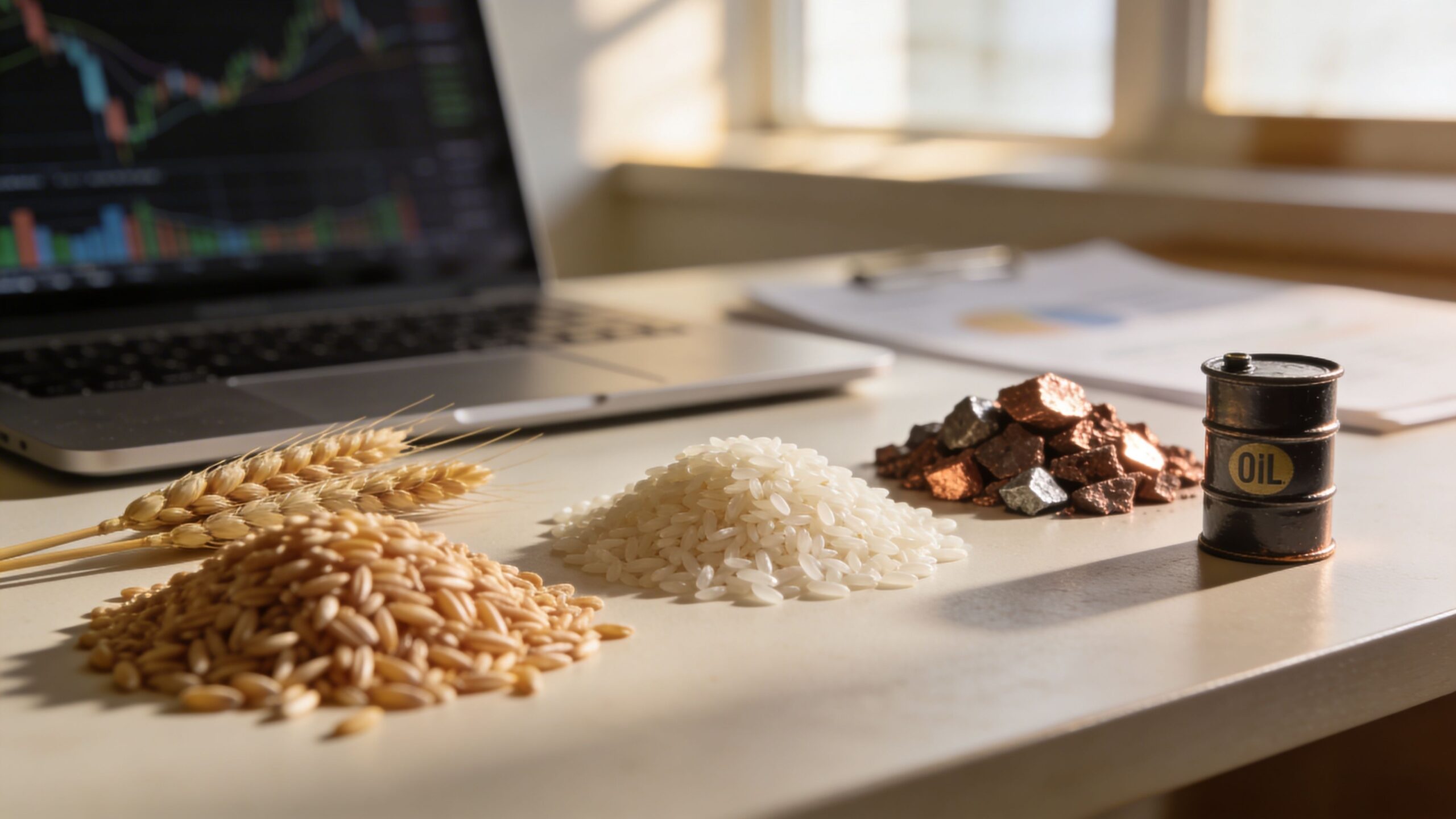
Another key distinction lies in consumption. Gold is rarely used up; it is stored, recycled, and preserved. Silver, on the other hand, is widely used in industries such as electronics, solar energy, and medical technology. Much of it is consumed and not easily recoverable, which can tighten supply over time. This difference adds an additional layer of unpredictability to silver’s price movements.
Price Behavior and Volatility in Changing Markets
One of the most noticeable differences between silver and gold is how their prices behave. Gold is generally more stable, acting as a hedge against economic uncertainty and inflation. During times of crisis, investors often flock to gold, driving demand and reinforcing its reputation as a safe haven.
Silver, by contrast, tends to be more volatile. Its price movements are influenced not only by investor sentiment but also by industrial demand. When the economy is strong, silver can experience significant price increases as industries ramp up production. However, during economic downturns, reduced industrial activity can lead to sharp declines.
This volatility can be both a risk and an opportunity. For investors willing to tolerate fluctuations, silver offers the potential for higher returns over shorter periods. Gold, while less explosive, provides a steadier trajectory, making it more appealing for those focused on preservation rather than rapid growth.
Industrial Power vs Monetary Legacy
Gold’s primary role in modern markets is as a financial asset. Central banks hold it as part of their reserves, and investors use it to hedge against currency devaluation and geopolitical instability. Its value is deeply tied to its monetary legacy and its ability to maintain purchasing power over time.
Silver occupies a more complex position. In addition to its role as an investment, it is a critical component in a wide range of industries. From smartphones and electric vehicles to solar panels and medical उपकरण, silver’s conductivity and antibacterial properties make it indispensable.
This dual role means that silver’s performance is closely linked to technological advancement and economic growth. As industries evolve and demand for high-performance materials increases, silver can benefit from trends that have little impact on gold. This makes silver a more dynamic but also less predictable investment.
Inflation Protection and Economic Resilience
When inflation rises, both gold and silver tend to attract investor interest, but they do so in different ways. Gold has a long-standing reputation as a hedge against inflation. Its value often increases as currencies lose purchasing power, providing a sense of stability in uncertain times.
Silver also benefits from inflationary environments, but its response can be more pronounced. Because it is typically priced lower than gold, it is more accessible to a wider range of investors. This can lead to increased demand during inflationary periods, driving prices upward.
However, silver’s industrial ties can complicate its performance. If inflation is accompanied by economic slowdown, reduced industrial demand may offset some of the gains driven by investor interest. Gold, being less dependent on industrial activity, is often more consistent in its response to inflation.
Accessibility, Affordability, and Investor Entry Points
For many investors, the choice between silver and gold comes down to accessibility. Gold’s higher price per ounce can make it less approachable, particularly for those just starting their investment journey. While fractional investments and financial instruments have made gold more accessible, it still represents a larger initial commitment.
Silver, with its lower price point, offers an easier entry. Investors can accumulate silver gradually, building their position over time without requiring significant capital. This affordability makes silver especially appealing to younger investors or those looking to diversify without overextending their resources.
Liquidity is another important consideration. Both metals are widely traded, but gold generally enjoys greater global liquidity. It is accepted and recognized worldwide, making it easier to buy and sell in large quantities. Silver, while still liquid, may involve slightly higher transaction costs and spreads, particularly in physical markets.
Portfolio Strategy: Balancing Stability and Opportunity
Rather than viewing silver and gold as competing investments, many experienced investors see them as complementary. Each metal offers unique benefits, and combining them can create a more balanced and resilient portfolio.
Gold provides a foundation of stability. It acts as a hedge against systemic risk, protecting wealth during periods of economic uncertainty. Silver, with its growth potential and industrial demand, adds a layer of opportunity. Together, they can help investors navigate a wide range of market conditions.
The allocation between the two depends on individual goals and risk tolerance. Conservative investors may favor gold, prioritizing preservation and stability. Those seeking higher returns and willing to accept volatility may lean toward silver. A balanced approach allows for both security and growth, adapting to changing economic environments.
Choosing Your Path in the Precious Metals Landscape
The decision between silver and gold ultimately comes down to understanding what each metal represents. Gold is the anchor, a symbol of enduring value and financial सुरक्षा. Silver is the catalyst, a metal that thrives on innovation and economic expansion. In a world where markets are constantly shifting, having exposure to both can provide a strategic advantage. Gold offers peace of mind, while silver offers potential. Together, they create a dynamic pairing that reflects both the past and the future of investing. As investors look ahead, the key is not to choose one over the other blindly, but to recognize how each fits into a broader financial strategy. By appreciating their differences and leveraging their strengths, it becomes possible to build a portfolio that is both resilient and forward-looking, ready to thrive in any economic climate.